
Data Sheet
Request information
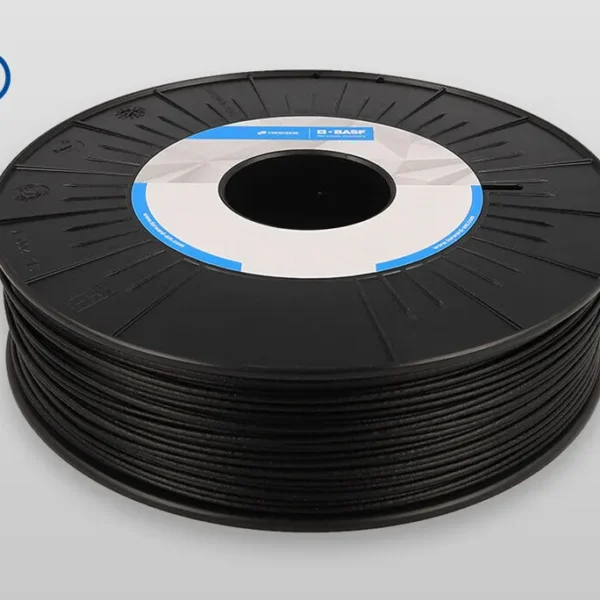
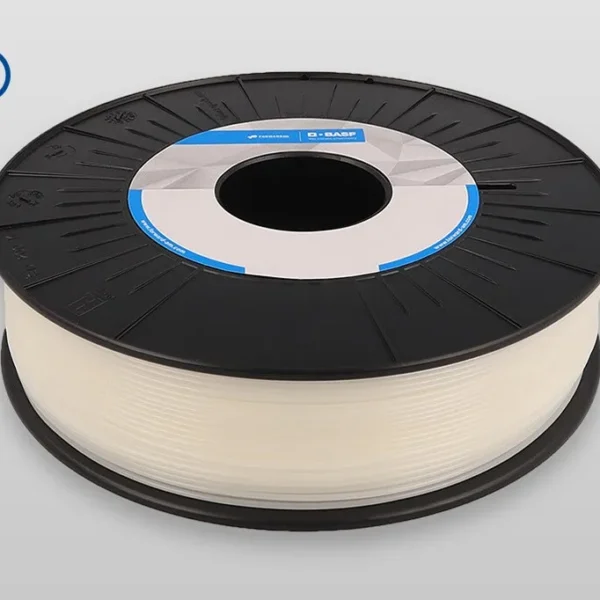
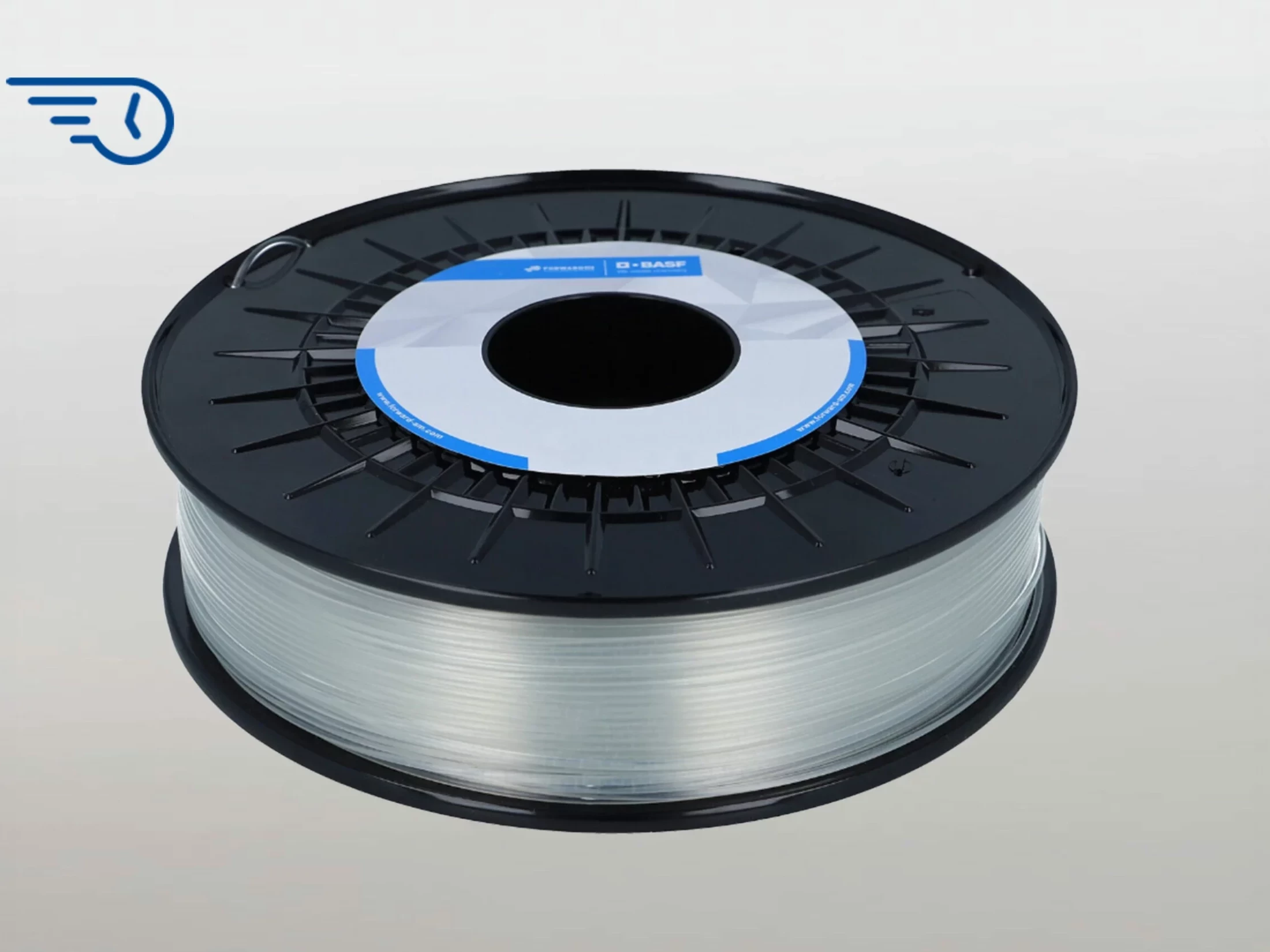
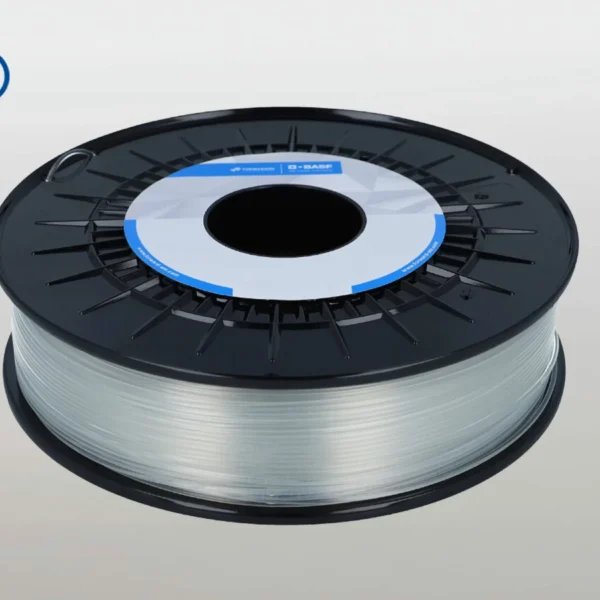
BASF Ultrafuse PA
First Development of BASF Filament Based on Ultramid
Ultrafuse PA is a 3D printing filament that offers high strength and high modulus, along with good thermal distortion stability. Here is a detailed overview of its characteristics and properties.
Ultrafuse PA is the adaptation of BASF’s famous Ultramid for 3D printing. Based on an intermediate viscosity grade of copolyamide 6/66, this filament allows you to print thin semi-flexible parts and very rigid parts at higher thicknesses. Its lower melting temperature than PA6 and PA66 allows it to be printed at lower temperatures, improving impact resistance and expanding application possibilities for end users.
Benefits at a glance
- Good fatigue resistance
- High mechanical resistance
- Low melting point, printable with many FFF printers
- Good wear resistance/lubricity
- Good impact resistance at low temperatures
Examples of Applications
- Engineering Industries
- Machine components and elements
- High-quality electrical insulation material
Material Properties
| Properties | Value |
|---|---|
| Tensile Strength (MPa) | 16.4 (ZX), 61.4 (XY) |
| Modulus of Flexure (MPa) | 2149 (ZX), 2246 (XZ), 2051 (XY) |
| Elongation at break (%) | 0.8 (ZX), 9.6 (XY) |
| Impact resistance Engraved Izod (kJ/m²) | 1.7 (ZX), 3.9 (XZ), 5.8 (XY) |
| Impact resistance Unengraved Izod (kJ/m²) | 3.2 (ZX), 45.6 (XZ), 28.0 (XY) |
| HDT at 0.45 MPa (°C) | 135 °C |
Guidelines for Printing
| Parameter | Value |
|---|---|
| Nozzle | 220-250 °C |
| Build Chamber | – |
| Bed | 90 – 120 °C |
| Bed | Glass + PVA / Kapton tape / PA adhesive |
| Nozzle | ≥ 0.4 mm |
| 30 – 60 mm/s |